
In October and November mornings, temperatures often sit between 38°F and 55°F, and that narrow band is exactly where a heat pump outperforms a gas furnace on operating efficiency. A furnace, by contrast, fires at full output for a short burst and shuts off, which is why short-cycling complaints and furnace repair calls cluster in the first three cold weeks of the season. The specialists at Vecchione Heating & Cooling LLC know that picking between the two is less about which one is better overall and more about which one matches the temperatures your house actually sees.
The Temperature Range That Decides the Argument
Every home has a balance point: the outdoor temperature at which heat loss equals what a heat pump can produce. For a correctly sized system in a typical 1960s to 1990s colonial home, that number usually lands between 28°F and 38°F.
Above the balance point, the heat pump moves heat instead of making it, delivering roughly three units of heat for every unit of electricity at 47°F. The U.S. Department of Energy notes that modern units can cut electric heating use substantially compared with resistance heat, and autumn is when that efficiency gap is widest.
Below the balance point, output falls and run times stretch. That is the moment a gas furnace earns its keep, because 95% AFUE combustion does not care whether it is 30°F or 5°F outside.
What Each System Actually Feels Like in October
Comfort differences in the shoulder season come down to air temperature at the register and how long the equipment runs.
- Heat pump: Supply air around 95°F to 105°F, long gentle cycles, very even room-to-room temperatures, no dry burnt-dust smell.
- Gas furnace: Supply air near 120°F to 140°F, short aggressive cycles, noticeable warm blast followed by a cooling drift of 2°F to 3°F.
- Dual fuel (both): The heat pump carries the mild hours and the furnace takes over below the switchover setpoint.
Homeowners who complain that their heat pump “blows cold” are usually reacting to 98°F air hitting 98.6°F skin. Raising duct velocity or relocating a register often fixes the perception without touching the equipment.
How Thermal Efficiency Shifts Across the Season
Understanding efficiency means evaluating how ambient outdoor temperatures alter mechanical performance across autumn and winter.
At mild outdoor temperatures, a high-efficiency heat pump operates at peak coefficient of performance, extracting free heat energy from outside air rather than generating it from scratch. As autumn turns into deep winter, that thermal transfer process becomes harder, and the heating output per cycle steadily declines.
A gas furnace maintains steady efficiency across all outdoor weather conditions. High-efficiency condensing units extract maximum thermal energy from fuel regardless of how cold the outside air drops, making them a consistent secondary stage when thermal loss through walls and windows accelerates.
The Setup Most Homes Should Be Running
A dual fuel system, sometimes called a hybrid, pairs an electric heat pump with the existing gas furnace and lets a control board pick the optimal heating source hour by hour. The technicians at Vecchione Heating & Cooling LLC recommend this as the one configuration that handles both a 52°F drizzle in November and a 9°F night in late January without compromise.
- Set the switchover point by performance. Most local homes land between 32°F and 36°F based on equipment capacity curves.
- Verify the furnace blower can handle heat pump airflow. Older PSC blower motors sometimes cannot sustain the 350 to 400 CFM per ton a heat pump needs.
- Confirm the thermostat supports dual fuel logic. A standard two-stage stat will run both heat sources at once and waste energy.
- Check refrigerant line sizing and insulation before reusing an existing set from an old air conditioner.
Retrofitting a heat pump onto a furnace that is already 18 years old rarely pencils out. If the heat exchanger is nearing the end of its service life, replacing both at once avoids paying twice for labor and refrigerant handling.
Airflow and Ductwork Considerations for System Performance
Equipment efficiency is only as good as the distribution system carrying the air. Heat pumps and gas furnaces handle airflow in fundamentally different ways, which makes duct evaluation a critical step before making a final equipment choice.
Because heat pumps deliver lower supply temperatures, they rely on a higher, continuous volume of air to heat a home evenly. If your duct system is undersized, leaky, or restricted, a heat pump will struggle to maintain setpoint temperatures during cool snaps. Gas furnaces operate with lower airflow volumes at higher temperatures, making them slightly more forgiving of restrictive duct runs, though poor ductwork will still lead to hot and cold spots across the house.
A static pressure test during fall maintenance evaluates whether your current supply and return ducts can support the higher CFM demands of a modern heat pump or hybrid configuration.
Warning Signs Your Current Heating Setup Will Not Finish the Winter
Fall is when latent problems surface, because the equipment sat idle for six months. Watch for these before the first hard freeze:
- A furnace that lights, runs 90 seconds, then shuts down (often a dirty flame sensor or blocked flue).
- Rooms more than 4°F apart on the same thermostat call.
- Rattling or grinding from the inducer motor during startup.
- A heat pump outdoor unit that ices over and never completes a defrost cycle.
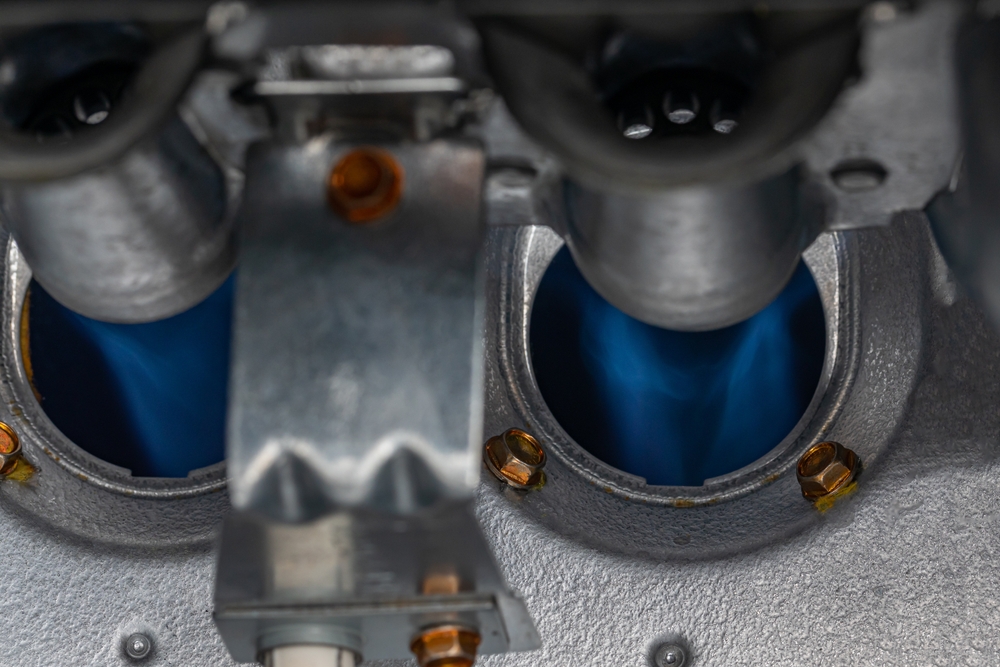
- A yellow, lazy burner flame instead of crisp blue cones.
Any of these are worth a diagnostic visit from Vecchione Heating & Cooling LLC rather than a wait-and-see approach. Homeowners seeking reliable support for issues like furnace repair in Bristol or general heating troubleshooting in autumn can avoid emergency calls later in the winter.
Evaluating System Repairs Against Long-Term Reliability
When a component fails, deciding whether to repair or replace comes down to age, overall system health, and safety risks. Minor electrical components like flame sensors, ignitors, and capacitors are routine fixes that keep a reliable system operating smoothly. Major structural failures, such as a cracked heat exchanger or a seized compressor, present significant safety concerns or mechanical hurdles that signal the end of a unit’s functional lifecycle.
A practical rule of thumb: if a major component fails on equipment that is past 15 years of age or uses legacy refrigerant, investing in modern heating and cooling technology is usually the smarter long-term decision. Whether you need an emergency diagnostic or routine water heater repair in Feasterville Trevose, Vecchione Heating & Cooling LLC guides you through an honest repair-versus-replace assessment before any work begins.
Schedule Your Pre-Winter Heating Check
A fall inspection takes about an hour and catches the ignition, airflow and gas pressure faults that cause mid-January breakdowns. Contact Vecchione Heating & Cooling LLC today or call to book expert heating repair, a dual fuel consultation, or the best furnace repair option for your home before the first freeze.